Q: What first brought you to tennis, and what has kept you connected to the game?
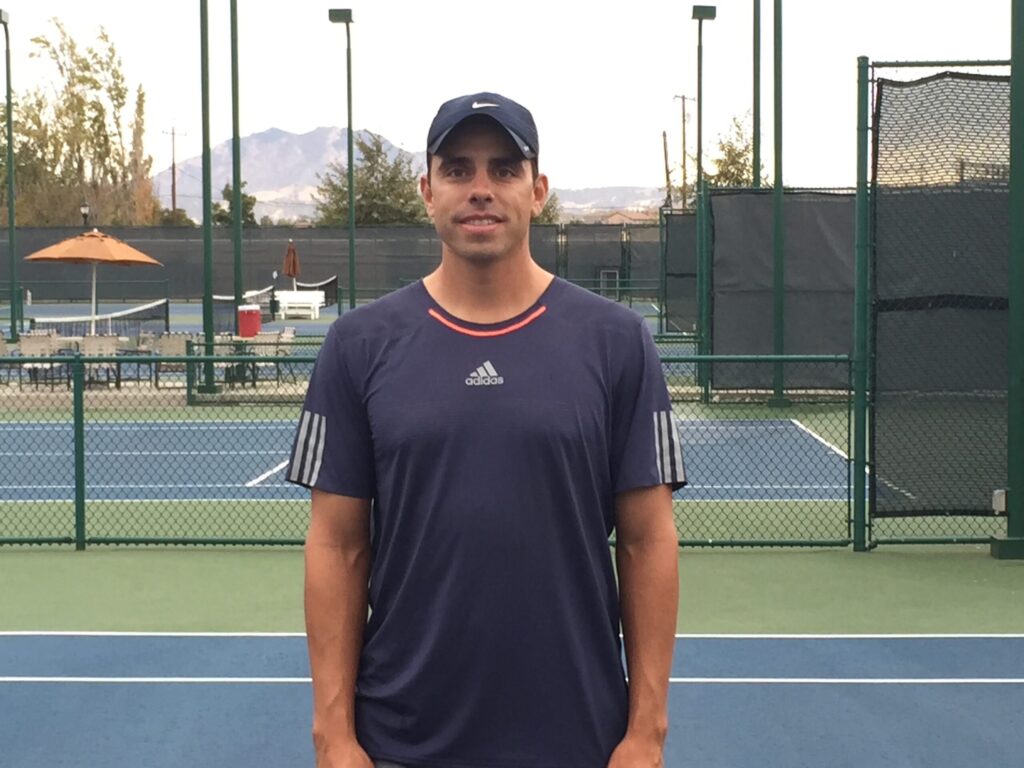
A: I started playing tennis growing up in Guadalajara, Mexico, and from a young age I fell in love with the competition. Tennis gave me opportunities I never imagined. I was fortunate to compete at a high level in Mexico and eventually play professionally.
What has kept me connected to the game has changed over the years. When I was younger, it was about competing and becoming the best player I could be. Now, it is much more about people. I enjoy teaching the game, developing players, growing programs, and seeing someone discover the same love for tennis that I had growing up. Tennis has been part of my life for so long that it is much more than a sport to me.
Q: How has your Hispanic or Latino heritage shaped your journey in tennis and the way you connect with others?
A: Growing up in Mexico has had a huge influence on who I am. Family, relationships, hard work, and community were very important to me growing up, and those values have followed me throughout my tennis career.
I think it also influences the way I coach and lead today. I like bringing energy to the court, making people feel welcome, and building relationships. Tennis can be very competitive, but it should also bring people together. I want people to feel like they belong when they walk onto my courts.

Q: What does representation in tennis mean to you, especially for young Hispanic and Latino players and families?
A: Representation matters because young players need to be able to see someone and think, “I can do that too.”
For Hispanic and Latino kids, seeing players, coaches, directors, and leaders who share a similar background can make tennis feel more accessible.
I also think representation goes beyond professional players. We need Hispanic and Latino coaches, teaching professionals, directors, tournament organizers, and leaders throughout the sport. There are many different ways to build a life and career through tennis.
Q: What impact do you hope to make through tennis, both on and beyond the court?
A: Of course, I want to help people become better tennis players, but I hope the impact goes much further than that.
Tennis teaches discipline, resilience, confidence, sportsmanship, and how to deal with adversity. Those lessons stay with you long after you leave the court.
As a coach and director, I also want to create opportunities. If I can help a junior become more confident, help an adult discover a sport they love, mentor a young coach, or help someone build a career in tennis, that is very meaningful to me.
Q: What barriers have you seen Hispanic and Latino families face in accessing tennis, and what can we do to help create more opportunities?
A: One of the biggest barriers is cost. Tennis can become expensive when you consider equipment, lessons, court access, tournaments, and travel. There can also be a perception that tennis is a sport that isn’t accessible to everyone.
We need to continue bringing tennis into communities through affordable clinics, public facilities, school programs, scholarships, equipment programs, and partnerships.
But I think another important piece is making families feel welcome. Getting someone onto a tennis court for the first time is only the beginning. We have to create an environment that makes them want to come back.
Q: Is there a moment when you realized your involvement in tennis was making a difference in someone else’s life?
A: There hasn’t been just one moment. It happens in little moments all the time.
Sometimes it’s a junior who finally accomplishes something they’ve been working on and you see their confidence change. Sometimes it’s someone who had never played tennis before who suddenly becomes completely involved in the sport. And sometimes it’s a player you coached years ago who comes back and tells you that you made a difference in their life.
As I’ve gotten older, those moments have become more meaningful to me than wins and losses.
Q: Who has inspired you along the way, whether in tennis, your family, or your community?
A: My family has always been a huge source of inspiration for me. They have been part of the sacrifices, challenges, and opportunities that came with my tennis journey.
I’ve also been inspired by many coaches, players, and people I’ve met throughout my career. Having competed professionally, I had the opportunity to be around some incredible players, and you learn quickly how much work and discipline it takes to reach that level.
Today, my family and the players and coaches around me continue to motivate me. My perspective has changed from trying to accomplish things for myself to thinking more about what I can help others accomplish.

Q: What advice would you give to the next generation of Hispanic and Latino players, coaches, and leaders in tennis?
A: Don’t put limits on yourself.
Work hard, stay curious, and take advantage of every opportunity you receive. Don’t be afraid to introduce yourself, ask questions, find mentors, and put yourself in environments where you can learn.
And remember that success in tennis doesn’t only mean becoming a professional player. You can become a coach, director, college player, administrator, business owner, or leader in the sport.
Your background is something you should be proud of. Bring your personality, culture, and experiences with you because tennis needs different voices and perspectives.
Q: When you think about the future of tennis, what would you most like to see for the Hispanic and Latino community?
A: I would love to see more Hispanic and Latino participation at every level of tennis, more kids playing, more families involved, more college players, more professionals, more coaches, and more people in leadership positions.
I want tennis to feel like a sport where Hispanic and Latino families can walk into any facility and immediately feel that they belong there.
Ultimately, I would love for the next generation to have even more opportunities than I had. If those of us who are in the sport today can help open a few more doors for the people coming behind us, I think we’re doing something right.